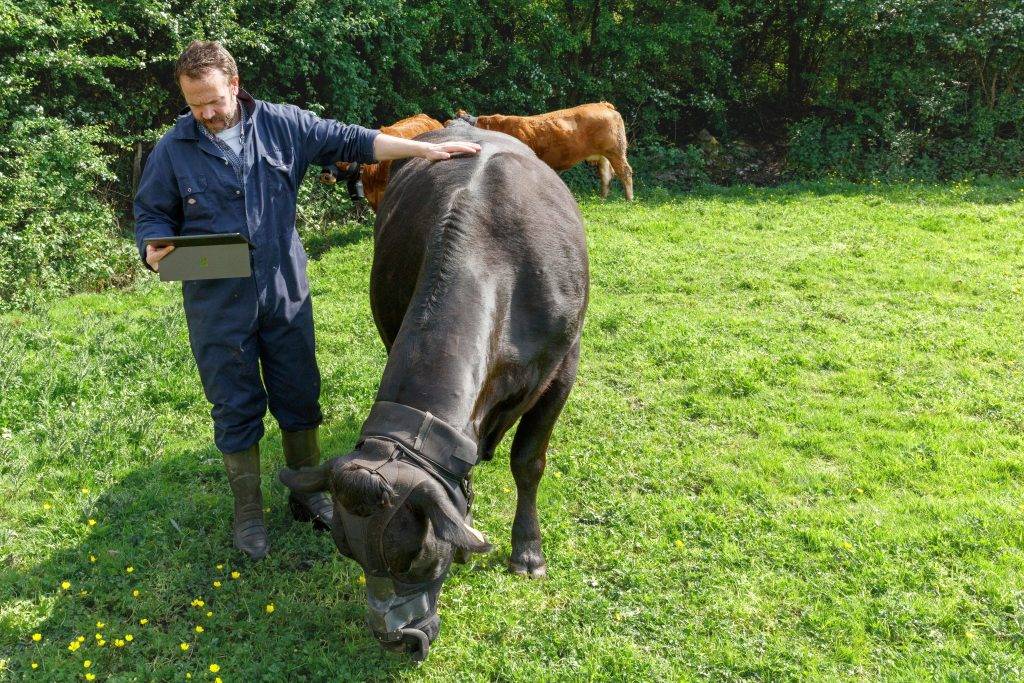
Following this year’s World Dairy Expo in Madison, Wisconsin, ZELP’s Head of Commercial, Chris Howarth, reflects on how better methane data can create tangible value for farmers.
Across discussions with commercial teams, researchers, milk processors and government bodies, Chris found there was a shared interest in understanding methane better — and getting more accurate data from real farms. But his conversations with farmers highlighted a gap: while the top-down demand for data is there; the on-farm payback is not yet clear.
“Farmers produce the food we depend on while running business under increasing pressure,” says Chris. “The conversations I had with them at the show were about labour, milk prices and margins.”
Connecting measurement to decisions and incentives
For methane measurement to earn its place on farm, there needs to be a clearer business case.
That could come through policy incentives, rewards for demonstrated emissions reductions, or better-informed nutrition and breeding strategies that support both lower emissions and improved productivity. The challenge is to connect measurement to a practical on-farm benefit, rather than treating data collection as an end in itself.
“We need to connect the data to decisions and incentives that can put money back in farmers’ pockets,” says Chris.
A challenge for the whole industry
At ZELP, we are helping make individual-animal methane measurement more practical in real-world conditions with ZELP Sense. But turning that data into lasting value is a whole-system challenge.
Policymakers can use data from working hards to inform fairer policies. Researchers, genetics companies and nutrition providers can use it to develop and test solutions under real-world conditions. Processors can report emissions more credibly — and support and reward on-farm progress that protects and future-proofs thier businesses.
Crucially, farmers need to help shape these approaches, so that measurement and the decisions it supports reflect the realities of running a farm.
“We need closer collaboration between policymakers, researchers, genetics and nutrition companies, processors, and crucially, farmers themselves,” says Chris.
Making methane make sense
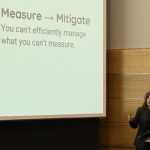
In Making Methane Make Sense, Chris explores the roles different parts of the industry can play in turning better emissions data into on-farm value.
His central challenge: connect the growing interest in methane measurement with a return that farmers can see.
Interested in using on-farm methane data support your work? Get in touch.